Get Conduit Installation
Conduit installation services help property owners run electrical, internet, or communication cables through walls, floors, or ceilings, suitable for new or existing construction projects.
If you’re considering conduit installation for your property, you’re in the right place to explore your options. Proper conduit systems are essential for protecting electrical wiring and ensuring safe, reliable operation of your electrical infrastructure. Property owners often look into conduit work to improve safety, meet code requirements, or prepare for future upgrades. Comparing local contractors can help identify experienced professionals who understand the specific needs of your project, providing peace of mind as you plan your improvements.
Continuing to review available services can help you find the right fit for your conduit installation needs. Local service providers offer a range of solutions tailored to different property types and project scopes. Gathering information about the options in your area can support informed decisions, ensuring your project is handled by experienced professionals who can deliver quality results. Keep reading to learn more about how local contractors can assist with your conduit installation.
- Residential Conduit Installation - needed when upgrading or installing new electrical systems in homes.
- Commercial Conduit Setup - required for businesses seeking to ensure safe and organized electrical wiring.
- Outdoor Conduit Installation - necessary for protecting electrical lines in outdoor or weather-exposed environments.
- Emergency Conduit Repairs - needed when existing conduit systems are damaged or pose safety concerns.
- Industrial Conduit Projects - suitable for large-scale facilities requiring complex wiring infrastructure.
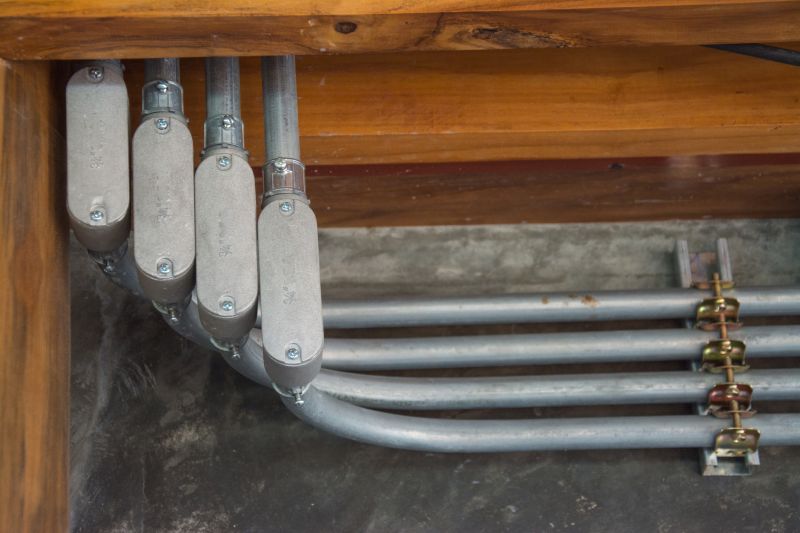
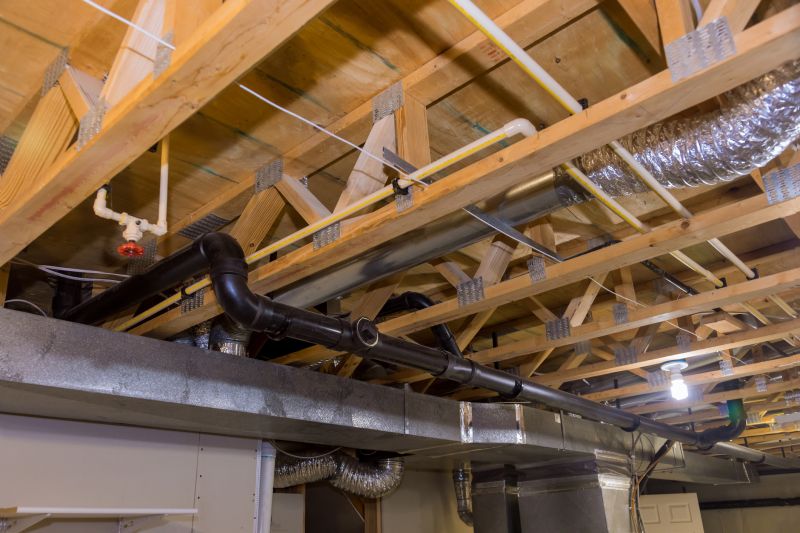
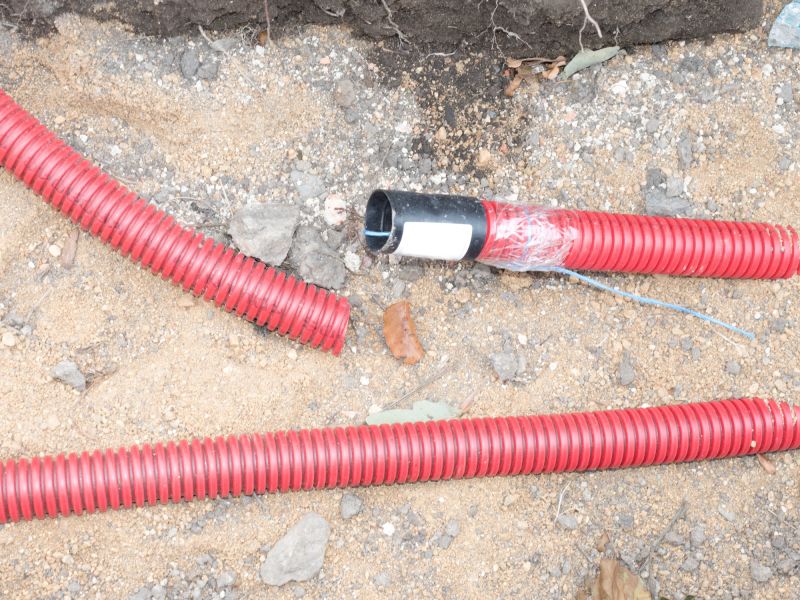
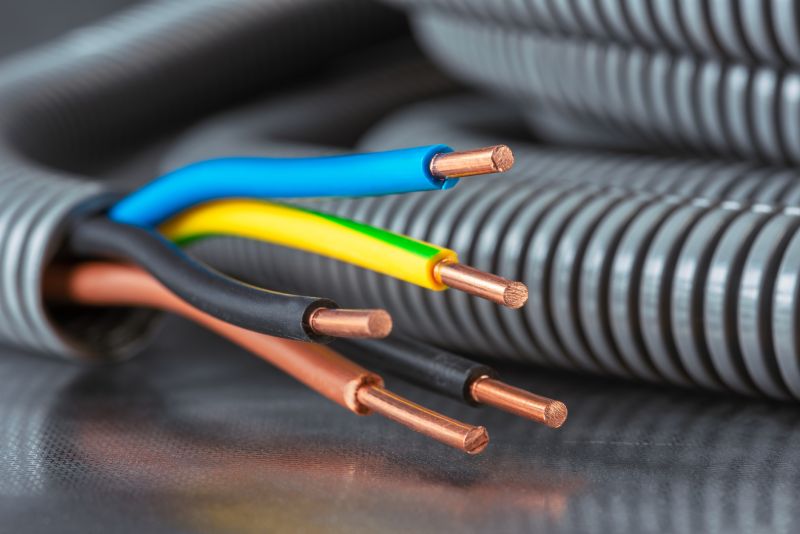
Conduit installation services involve setting up the necessary piping and wiring pathways that connect a property’s electrical system to the main power source. This process typically includes planning the route, drilling through walls or floors, and securely installing conduits made from materials such as metal or plastic. Proper conduit installation ensures that electrical cables are protected from damage, environmental elements, and potential hazards, providing a safe and organized system for electrical distribution throughout a home or building.
These services help address common electrical problems such as exposed wiring, outdated or damaged conduits, and code compliance issues. When electrical systems are running through old or poorly installed conduits, it can lead to safety risks like short circuits or fire hazards. Upgrading or installing new conduits can also improve the overall reliability of electrical systems, reducing the likelihood of outages or electrical failures. For property owners planning renovations, additions, or new construction, professional conduit installation offers a reliable way to meet safety standards and support future electrical needs.
Conduit installation is often needed in a variety of property types, including single-family homes, multi-unit residential buildings, commercial offices, and retail spaces. Homes that are undergoing electrical upgrades, adding new circuits, or expanding their electrical system frequently require conduit work. Commercial properties, especially those with complex wiring needs or specific safety requirements, also benefit from professional conduit installation. Regardless of property size, having a qualified service provider handle the installation can ensure the electrical system is both safe and efficient, tailored to the specific demands of the space.
Homeowners and property managers should consider conduit installation services whenever they encounter issues with their electrical wiring or are planning significant electrical upgrades. If there are signs of exposed or damaged wiring, or if new electrical circuits are needed for appliances, lighting, or security systems, professional conduit work can provide a durable and compliant solution. Consulting with local contractors can help determine the best approach for each property, ensuring that electrical systems are properly protected and capable of supporting current and future electrical loads.
The overview below groups typical Conduit Installation projects into broad ranges so you can see how smaller, mid-sized, and larger jobs often compare in your area.
In many markets, a large share of routine jobs stays in the lower and middle ranges, while only a smaller percentage of projects moves into the highest bands when the work is more complex or site conditions are harder than average.
Smaller Repairs - Most minor conduit installation jobs, such as adding a new outlet or fixing a small section, typically cost between $250 and $600. Many local contractors handle these routine tasks within this range, which covers the majority of simple projects.
Standard Installations - Replacing or installing conduit for a typical residential setup usually falls between $600 and $1,500. These projects are common and often involve moderate complexity, with costs varying based on length and materials used.
Large or Complex Projects - Larger conduit installations, such as extensive wiring for commercial spaces or multi-story buildings, can range from $2,000 to $5,000 or more. Fewer projects reach this tier, as they involve higher labor and material costs.
Full Replacement or Major Overhauls - Complete conduit system replacements or significant upgrades can exceed $5,000, depending on the scope. These projects are less frequent and typically involve extensive planning and labor by local service providers.
Actual totals will depend on details like access to the work area, the scope of the project, and the materials selected, so use these as general starting points rather than exact figures.
Electrical Wiring Projects - electricians and contractors often handle wiring installations that require similar planning, tools, and safety considerations as conduit installation.
Lighting Fixture Installations - installing lighting fixtures involves working with electrical pathways and conduit systems to ensure proper placement and safety.
Data and Communication Cable Runs - running data cables through walls and ceilings involves planning and installing conduit or raceways, similar to conduit installation services.
Panel Upgrades and Rewiring - upgrading electrical panels and rewiring buildings require knowledge of conduit pathways and precise installation techniques.
Security System Wiring - installing security wiring and sensors often involves routing cables through conduits, matching the skills needed for conduit installation projects.
Commercial Electrical Installations - large-scale electrical setups in commercial spaces involve conduit planning and installation comparable to residential conduit services.
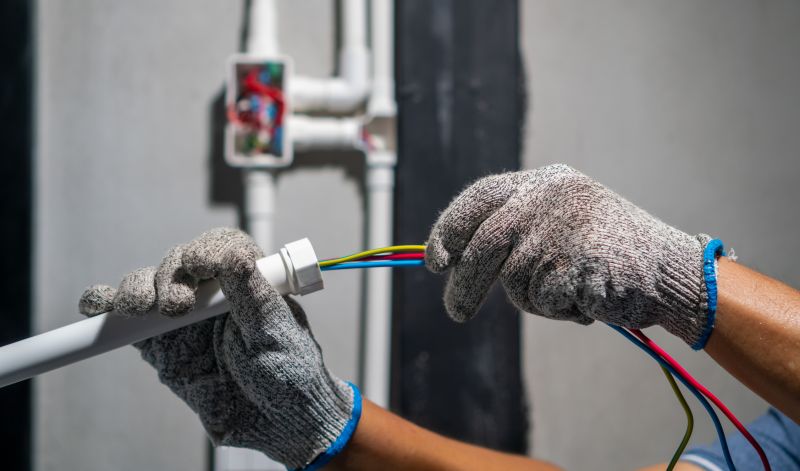
When evaluating potential service providers for conduit installation, it’s important to consider their experience with similar projects. Homeowners should inquire about how long a contractor has been working in the field and whether they have handled projects comparable in scope and complexity. An experienced contractor is more likely to understand the nuances of conduit installation, anticipate potential challenges, and deliver results that meet expectations. Gathering information about their background in projects similar to the one at hand can help ensure that the chosen provider has the relevant expertise to handle the specific requirements of the job.
Clear, written expectations are a key factor in selecting a reliable local contractor. Homeowners should seek detailed proposals or estimates that outline the scope of work, materials to be used, and the steps involved in completing the project. Having this information in writing helps prevent misunderstandings and provides a reference point throughout the project. It’s also beneficial to ask service providers how they communicate with clients during the work process, ensuring that updates and questions can be addressed promptly. Well-defined expectations foster transparency and help establish a smooth working relationship.
Reputable references and good communication are essential when comparing local options for conduit installation. Homeowners can ask prospective contractors for references from previous clients who had similar work done. Speaking with past customers can provide insights into the contractor’s reliability, quality of work, and professionalism. Additionally, effective communication-whether through timely responses, clarity in explanations, or openness to questions-can significantly impact the overall experience. Choosing a service provider known for clear, consistent communication and positive references can lead to a more straightforward and satisfactory project outcome.
Property owners use Conduit Installation services for practical projects around their homes and businesses. This guide focuses on everyday jobs and straightforward project options.
Conduit installation is a common project for property owners who are upgrading electrical systems, adding new outlets, or preparing for future wiring needs. Homeowners and business owners might seek local contractors to ensure their wiring is properly protected and organized, especially when undertaking renovations or new construction. These professionals can handle a variety of situations, from installing conduit in tight spaces to running wiring through complex layouts, helping property owners maintain safety and code compliance.
People often look for conduit installation services when they want a reliable way to safeguard electrical wiring from damage or interference. Whether installing conduit in a basement, attic, or exterior walls, property owners rely on local service providers to ensure the work is done correctly and efficiently. Connecting with experienced contractors can make the process smoother, giving peace of mind that the electrical infrastructure is safely and neatly installed for long-term performance.
What types of conduit installation services are available? Local contractors can install various types of conduits, including electrical, data, and communication conduits, tailored to specific project needs.
How do I know which conduit installation solution is suitable? Service providers can assess your requirements and recommend the appropriate conduit type and installation method for your project.
What materials are commonly used for conduit installation? Common materials include PVC, metal, and flexible conduits, selected based on durability, environment, and code requirements.
What preparations are needed before conduit installation begins? Typically, site assessments and planning are conducted to ensure proper placement and compliance with local regulations.
What are the typical steps involved in conduit installation? The process generally involves planning, trenching or mounting, conduit placement, and connection or termination, handled by experienced service providers.
Conduit Installation for New Buildings - Property owners constructing a new home or addition can ensure proper electrical wiring by hiring local contractors to install conduit systems during the building process.
Upgrading Existing Electrical Systems - Homeowners seeking to improve safety or expand their electrical capacity might use conduit installation services to replace outdated wiring or add new circuits.
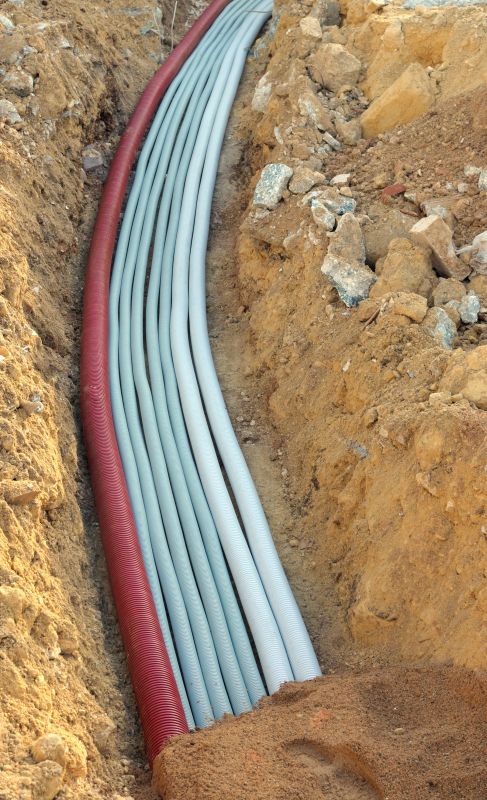
Installing Outdoor or Underground Conduits - Property owners planning to run electrical lines outdoors or underground can utilize local pros to install conduits that protect wiring from the elements and physical damage.
Retrofitting for Safety and Compliance - Those updating older properties can have conduit systems installed to meet current safety standards and improve the durability of their electrical infrastructure.
If you are thinking about Conduit Installation for a property, this guide is meant to help you understand the work, the typical project types, and how different options might fit your plans.
When you are ready, you can use the quote form on this page to share a few details about your project. From there, local pros can review the basics and respond with options that match what you have in mind.